EVERYDAY
Conversation is safe
The WHO lists normal conversation at 60 dB and a library at 40 dB, both safe for unlimited time.
Try the ladder doodlenoise
Start
DECIBELS, IN PLAIN ENGLISH
Hearing damage is about level and time together.

The World Health Organization puts a weekly time on each step of the decibel ladder. The louder the sound, the shorter that time gets, and at the top it is measured in seconds.
80 dBup to 40 hours a week
Check a soundKeep in mind
THE SHORT ANSWER
A decibel number alone does not tell you much.
What matters is how loud, for how long.
EVERYDAY
The WHO lists normal conversation at 60 dB and a library at 40 dB, both safe for unlimited time.
Try the ladderAT HOME
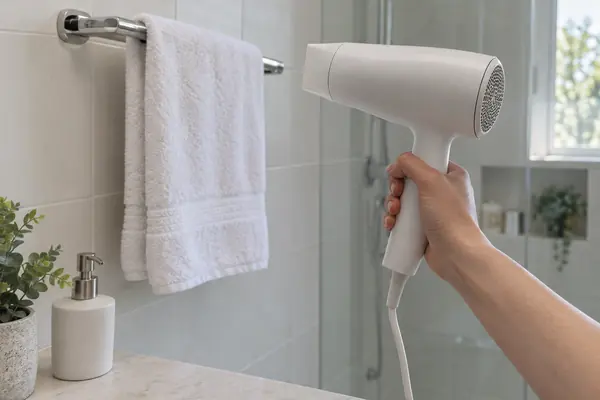
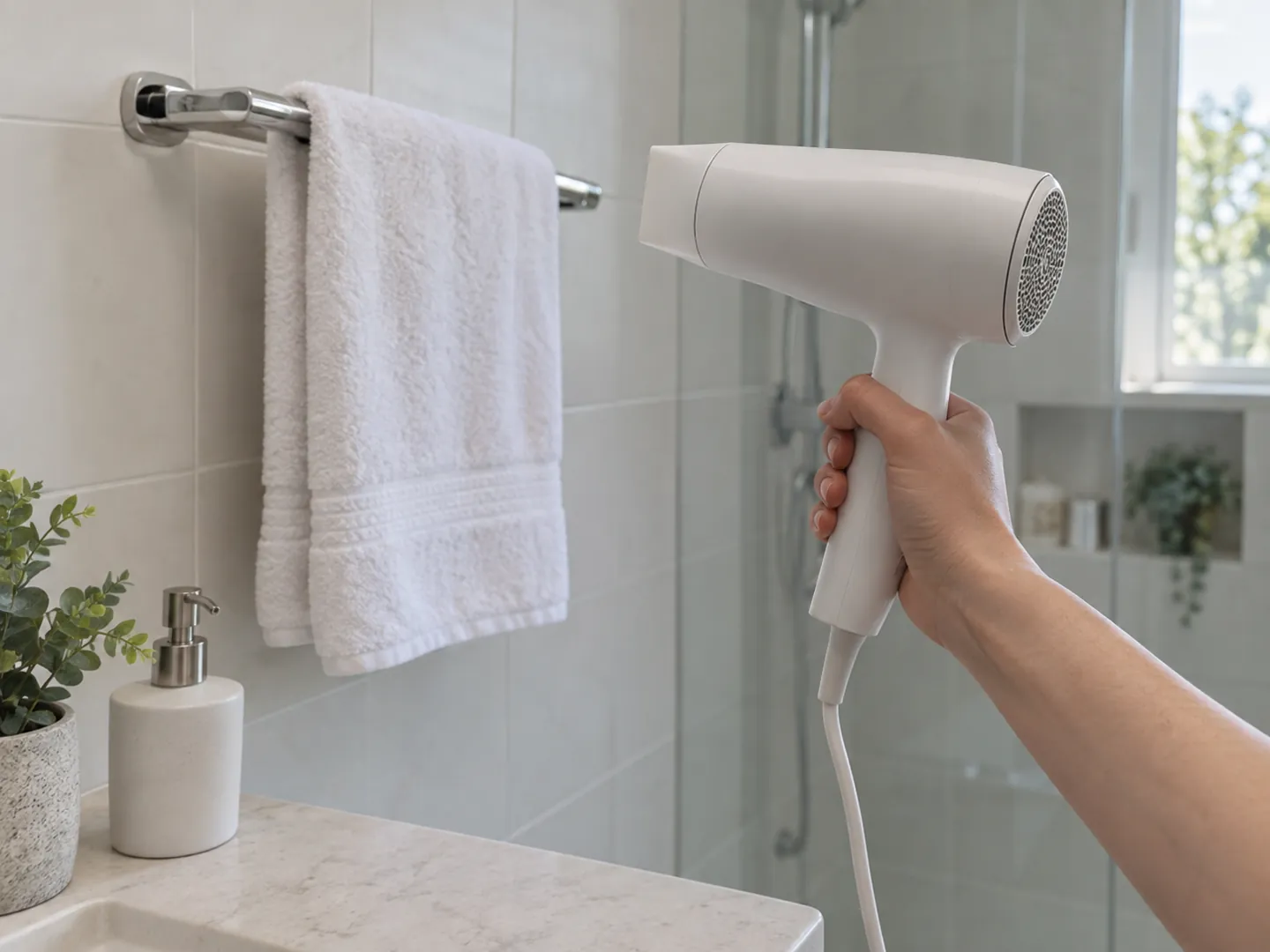
The WHO puts a hair dryer at 100 dB, safe for about 20 minutes a week. At 80 dB the weekly allowance is 40 hours.
See the numbersAT WORK
In Great Britain, employers must assess the risk at 80 dB(A) and provide hearing protection at 85 dB(A).
The work limitsTHE DECIBEL LADDER
Pick an everyday sound to see the level the WHO gives it and how long it says you can safely listen each week. The bar shows how quickly the safe time runs out.
Weekly safe listening times from the World Health Organization. General information, not medical advice.
TWO NUMBERS WORTH KNOWING
One figure on who is at risk today,
one on where the WHO says things are heading.
1 billion+
Young adults at risk from unsafe listening
The WHO says over 1 billion young adults are at risk of permanent, avoidable hearing loss due to unsafe listening practices.
AT RISK · WHO
≈ 2.5 billion
People projected to have some hearing loss
The WHO projects that nearly 2.5 billion people will have some degree of hearing loss by 2050, and over 700 million, 1 in every 10 people, disabling hearing loss.
BY 2050 · WHO
The WHO says over 5% of the world's population, 430 million people, already need rehabilitation for hearing loss.
FOUR HABITS TO TRY
None of these means giving up loud things. They are about trimming the level or the time, which is what the safe listening figures are built on.
Step 1
The WHO suggests setting your device to no more than 60% of maximum for headphones, games and online classes.
Step 2
80 dB is safe for up to 40 hours a week, 90 dB for only 4. Shorter sessions keep you inside the allowance.
Step 3
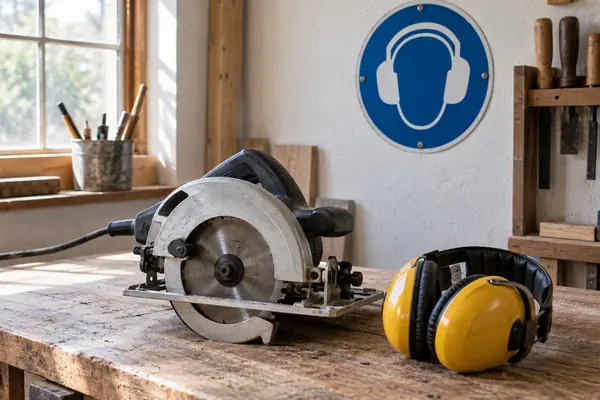
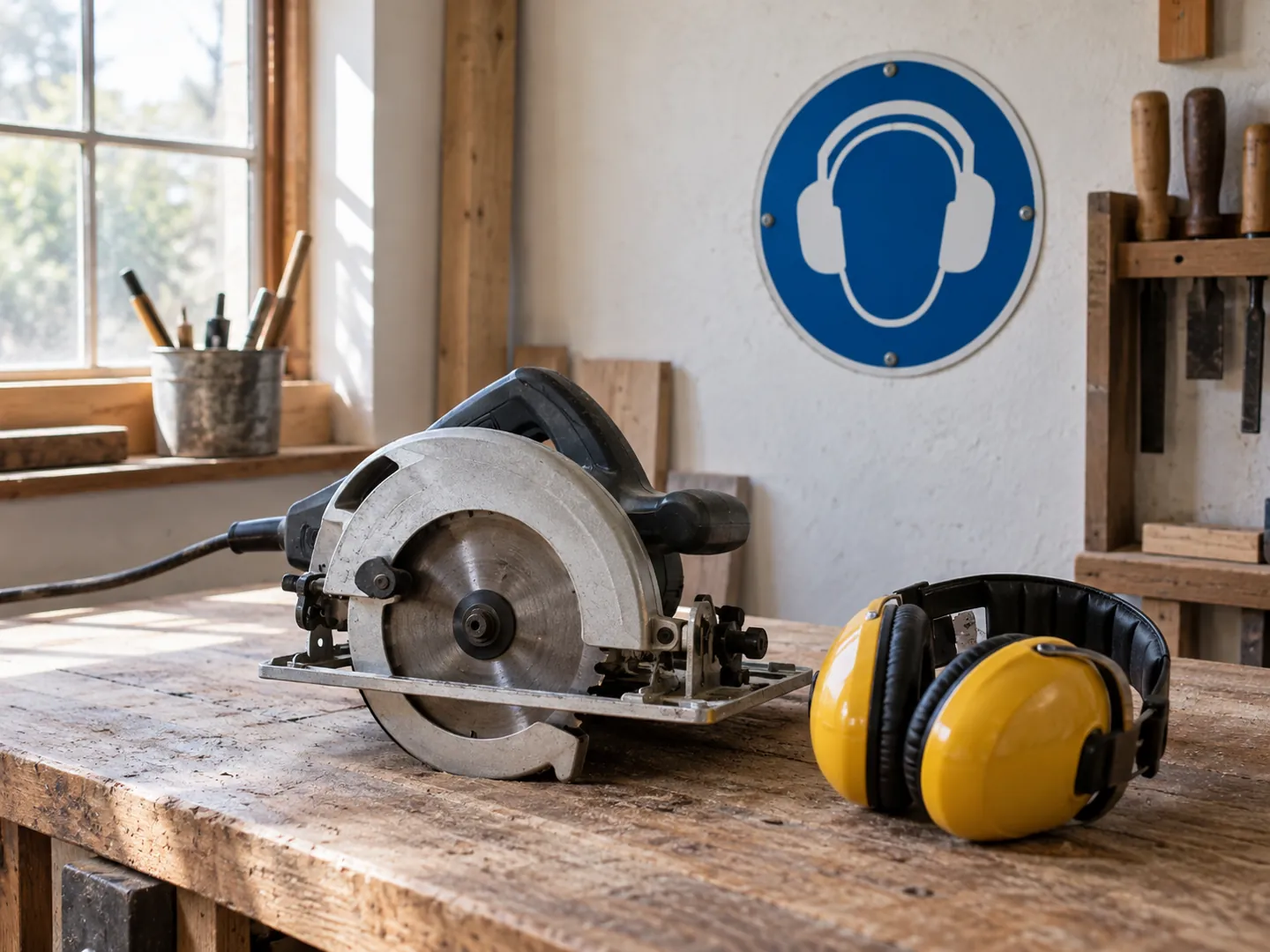
At work, HSE says employers must provide hearing protection once exposure reaches 85 dB(A). Wear it in the hearing protection zones.
Step 4
If you have to raise your voice to talk to someone about 2 metres away, HSE says that is a sign of a noise problem at work.
NOISE AT WORK
Under the Control of Noise at Work Regulations, Great Britain sets levels for daily or weekly exposure. At 80 dB(A) employers must assess the risk and give information and training. At 85 dB(A) they must provide hearing protection and hearing protection zones.
87 dB(A) is the exposure limit, which takes account of hearing protection and must not be exceeded. HSE's quick signs of a problem include raising your voice to talk at about 2 metres, and using noisy powered tools for more than half an hour a day.
Questions
The WHO advises keeping your device at no more than 60% of maximum volume. It says a sound level of 80 dB is safe for up to 40 hours a week.
Small steps make big differences. In the WHO table, going from 80 dB to 85 dB cuts the safe weekly time from 40 hours to 12 hours 30 minutes, and 90 dB allows only 4 hours.
The WHO lists normal conversation at 60 dB and soft whispering at 30 dB. Both are safe for unlimited time.
HSE sets a lower action value of 80 dB(A) and an upper action value of 85 dB(A) for daily or weekly exposure, and an exposure limit of 87 dB(A). There are also peak values of 135, 137 and 140 dB(C).
HSE says you probably need to act if people have to raise their voices to talk when about 2 metres apart, use noisy powered tools for more than half an hour a day, or work somewhere as noisy as a busy road or a crowded restaurant.
Destination
Updated
ABOUT THIS NAME
doodlenoise.com is part of the DoodleSale portfolio. It isn't in an auction right now, but you can ask about leasing it.